We spend months preparing the nursery and almost no time preparing the body that has to do the work. Labour is one of the most demanding physical events a person will go through. It deserves training, in the same sensible way you would train for anything else demanding.
First trimester: gentle and consistent
The goal here is not strength, it is habit. Walking, gentle mobility, and learning to breathe into the diaphragm rather than the chest. If you are nauseous and exhausted — and most people are — ten honest minutes is enough. Consistency now matters more than intensity.
Second trimester: build
Energy usually returns, and this is when we do the real work. Strengthening the legs, glutes and upper back to carry a changing centre of gravity. Pelvic floor training — and this means learning to release as much as to contract, which surprises most mothers. Side-lying and supported positions replace anything flat on the back.
Third trimester: open and rehearse
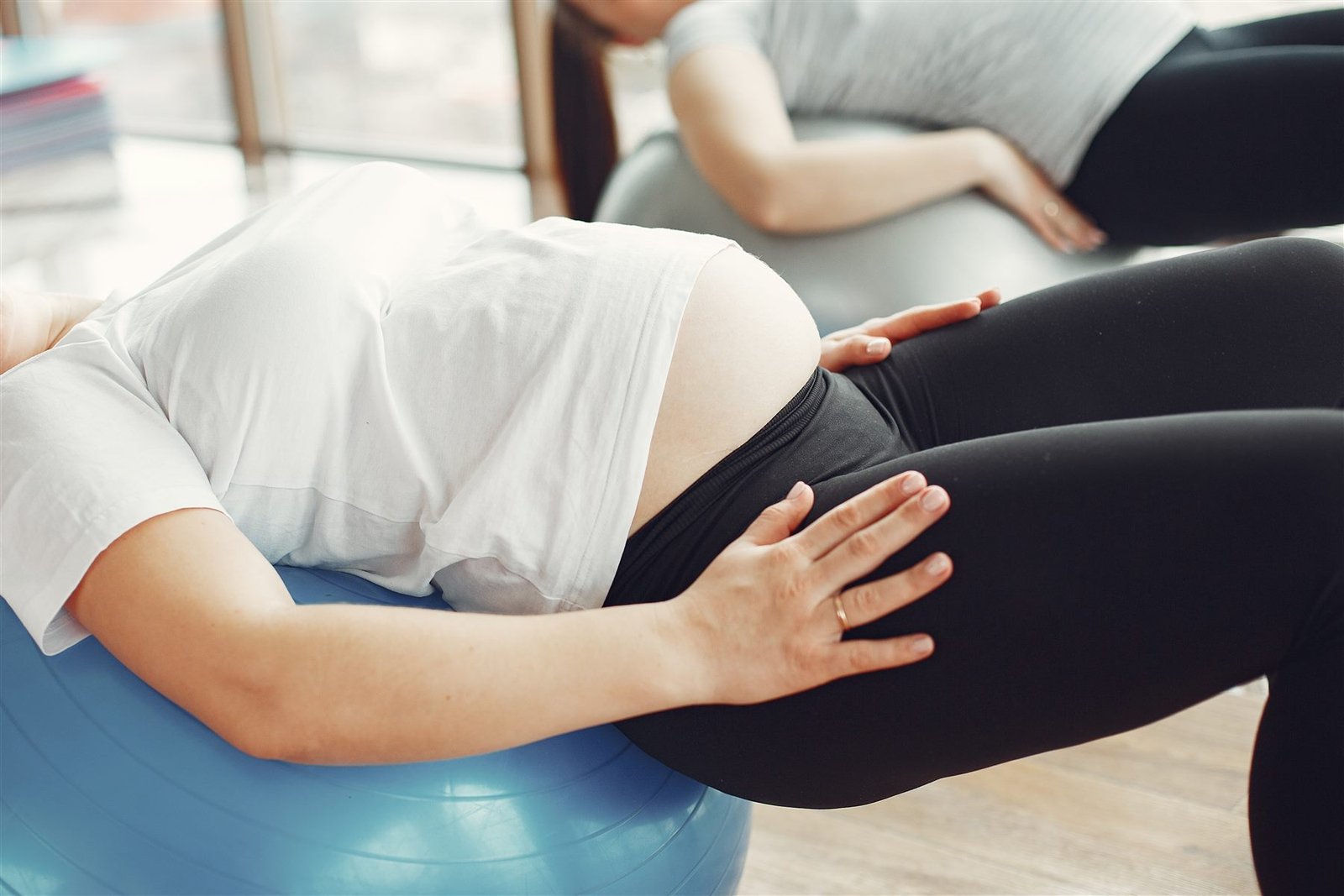
Now we practise birth itself. Positions that open the pelvis — supported squats, birth ball work, hands and knees. Breath patterns for each stage of labour. Stamina work, because early labour can be long. And a great deal of relaxation practice, because a tense pelvic floor resists what it needs to allow.
A word on stopping
Stop and call us for bleeding, leaking fluid, dizziness, chest pain, painful contractions or any reduction in the baby’s movement. Every programme we build is designed only after your obstetrician has reviewed your history, and it is adjusted whenever your clinical picture changes. That is exactly why it should be built for you rather than downloaded.